
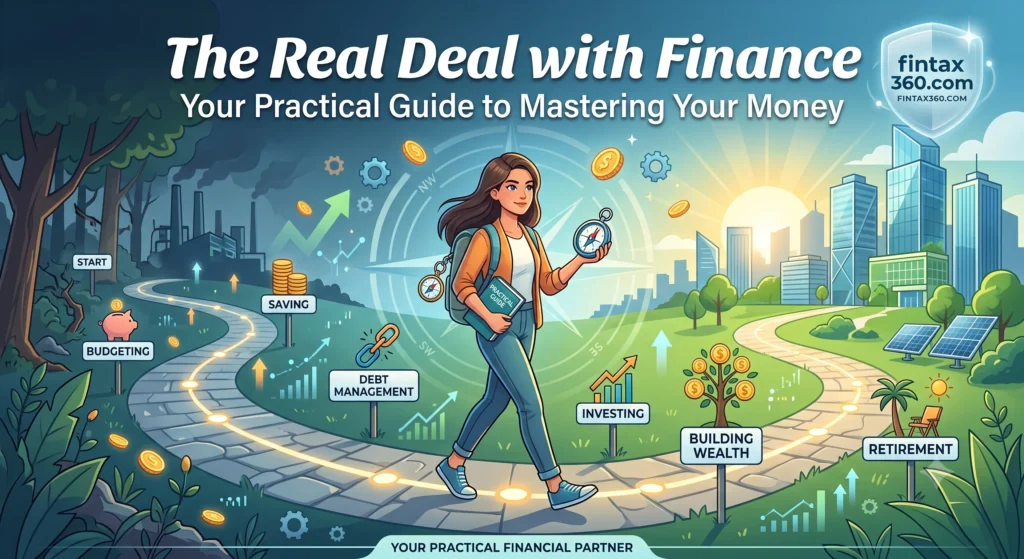

Let’s talk about finance. Not the stuffy, Wall Street kind of finance, but the gritty, real-world finance that impacts your daily life. It’s about more than just numbers on a statement; it’s about freedom, choices, and frankly, less stress.
Most people treat money like some mysterious force. They let it happen to them. But mastering your personal finance isn’t about magic; it’s about understanding a few core principles and consistently applying them. And honestly, it’s probably simpler than you think.
This isn’t some academic lecture. We’re going to dig into what actually works, what matters, and what you can start doing today to get a better handle on your money.
Understanding Your Personal Finance Landscape
Before you can build, you need to know your foundation. That means getting brutally honest about where your money goes. This is where budgeting comes in, and no, it’s not about deprivation.
A budget is simply a map of your income and expenses. It shows you the flow. I’ve seen countless people panic at the word “budget,” but it’s just information. Information is power.
Start by tracking everything for a month. Every coffee, every subscription, every grocery run. Use an app, a spreadsheet, or even a notebook. The goal is awareness, not judgment.
Once you see the patterns, you can make intentional choices. Maybe you realize you’re spending 300 on takeout when you thought it was 100. That’s a powerful realization, isn’t it?
The Debt Dilemma: Good, Bad, and Ugly
Debt isn’t always evil. Mortgage debt, for instance, can be a tool for building equity. Student loan debt, while painful, often facilitates higher earning potential. These are generally considered “good” debt because they have the potential for a positive return or asset acquisition.
Then there’s “bad” debt. High-interest credit card debt, payday loans, store cards – these are wealth destroyers. They trap you in a cycle where you’re just paying interest, never getting ahead.
My advice? Attack bad debt with a vengeance. Prioritize paying off the highest interest rates first (the “avalanche method”) or the smallest balances for psychological wins (the “snowball method”). Just pick one and stick with it.
Your credit score plays a huge role here too. It’s a reflection of your financial responsibility, and it impacts everything from loan rates to apartment rentals. Pay your bills on time, keep credit utilization low, and don’t open too many accounts at once. It’s pretty straightforward.
Building Your Financial Safety Net: Savings
An emergency fund isn’t optional; it’s essential. Life happens. Car repairs, unexpected medical bills, job loss – these things will derail any financial plan if you’re not prepared.
Aim for 3-6 months of essential living expenses tucked away in an easily accessible, high-yield savings account. That cushion provides incredible peace of mind. It’s a game-changer.
Beyond emergencies, save for specific goals: a down payment, a vacation, a new car. Giving your savings a purpose makes it much easier to commit.
Investing: Building Wealth, Not Just Saving It
Saving money is good. Investing money is how you actually build wealth and beat inflation. Leaving all your cash in a regular savings account means it’s slowly losing purchasing power over time. That’s just how economics works.
Investing means putting your money to work for you. It means buying assets that appreciate in value or generate income. Think stocks, bonds, real estate, or mutual funds.
Many people are intimidated by investing. They think it’s only for “rich” people or requires complex knowledge. That’s simply not true. You can start with small amounts, and there are plenty of user-friendly platforms available.
Start Early, Invest Consistently
The single most powerful force in investing is compound interest. Albert Einstein supposedly called it the eighth wonder of the world. It’s your money earning returns, and those returns then earning more returns.
Let’s say you invest 100 a month starting at 25, earning an average 7% annual return. By 65, you could have over 240,000. If you wait until 35 to start, you’d have less than half that, around 115,000, even though you contributed for only 10 fewer years. That’s the power of time.
Consistency matters more than timing the market. Set up automatic investments. Pay yourself first. Even small, regular contributions add up significantly over decades.
Diversification and Risk
Don’t put all your eggs in one basket. That’s the golden rule of diversification. Spread your investments across different asset classes (stocks, bonds) and different sectors.
This helps mitigate risk. If one part of your portfolio takes a hit, another might be performing well. It’s about balance.
Your risk tolerance will change throughout your life. Younger investors can generally afford to take more risk because they have a longer time horizon to recover from downturns. As you approach retirement, you’ll probably want to shift towards lower-risk assets.
The Psychology of Money and Smart Financial Decisions
Numbers are one thing, but human behavior is another. A huge part of mastering your finance is understanding your own relationship with money. We all have biases, fears, and sometimes, irrational impulses.
Fear of missing out (FOMO) can lead to bad investment decisions, chasing hot stocks instead of sticking to a sound long-term strategy. Conversely, panic selling during a market dip can lock in losses that would have recovered over time.
Delayed gratification is a superpower. The ability to forgo immediate pleasure for a greater future reward is central to saving and investing successfully. It’s not always easy, but it’s crucial.
Be skeptical of get-rich-quick schemes. If it sounds too good to be true, it almost certainly is. Real wealth building is usually slow, steady, and kinda boring.
Financial Literacy: Your Best Investment
The more you learn about finance, the more confident and capable you become. Read books, listen to podcasts, follow reputable financial advisors (not just influencers pushing crypto). Educate yourself.
Nobody cares about your money as much as you do. Taking the time to understand how it works, what options you have, and how to protect it is perhaps the single best investment you can make.
It’s an ongoing process. The financial world evolves, your life changes, and your goals shift. Stay curious, stay informed.
Putting It All Together: Your Financial Journey
Mastering your personal finance isn’t a destination; it’s a journey. There will be ups and downs, wins and losses. That’s just part of it.
Start with a clear picture of your current situation. Create a budget, understand your debt, and build that emergency fund. Then, commit to consistent saving and smart investing.
Stay disciplined, but also be flexible. Life throws curveballs. Adjust your plans as needed, but always keep your long-term goals in sight.
Ultimately, good finance isn’t about being rich. It’s about being secure, having options, and building a life where money serves you, instead of the other way around. Take control. It’s worth it.
Discover more from Finance and Taxation
Subscribe to get the latest posts sent to your email.