
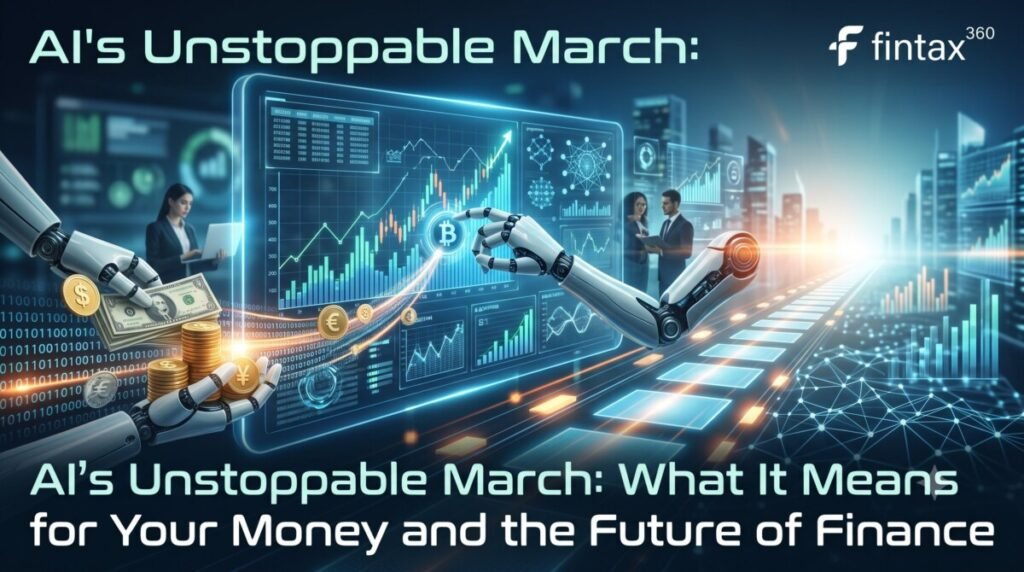

The conversation around AI in finance isn’t some futuristic thought experiment anymore. It’s happening. Right now, algorithms are making trading decisions, spotting fraud, and even shaping how you get a loan or manage your investments.
You can’t really opt out of it. This isn’t just about cool new apps; it’s about a fundamental shift in how money moves, how risk is assessed, and frankly, how wealth is generated and protected.
I see it this way: understanding AI’s role in finance isn’t optional. It’s becoming a core literacy for anyone who deals with money, whether you’re managing a family budget or running a multi-billion dollar fund.
Beyond the Hype: Where AI Truly Matters in Finance
When we talk about AI in finance, we’re not just talking about robots taking over. We’re talking about systems that can process data, identify patterns, and make decisions at speeds and scales no human ever could.
This capability changes everything from the front office to the back office. It’s not a single application but a pervasive force.
Algorithmic Trading: Speed and Strategy
Think about the stock market. Trades happen in milliseconds. Human traders, as sharp as they are, simply can’t compete with the speed of an algorithm designed to execute trades based on real-time data analysis.
AI-powered trading systems scour news feeds, social media sentiment, economic indicators, and historical price movements. They identify opportunities and risks before most people even finish their morning coffee.
This has leveled the playing field for some, giving smaller firms access to sophisticated strategies. But it also means markets can react with dizzying speed, which has its own set of challenges, like flash crashes.
Fraud Detection: Catching Criminals Faster
Banks lose billions every year to fraud. Credit card fraud, money laundering, identity theft—it’s a constant battle.
Traditional rule-based systems often miss complex or novel fraud patterns. That’s where AI steps in.
Machine learning models learn from vast datasets of legitimate and fraudulent transactions. They can spot anomalies that don’t fit the usual profile, flagging suspicious activity in real-time. This saves institutions and individuals a lot of pain and money.
For instance, if your card suddenly tries to buy a high-value item in a country you’ve never visited, an AI system will probably flag it instantly, even if it hasn’t seen that exact scenario before.
Risk Management: Predicting the Unpredictable
Assessing risk is the bedrock of finance. Lenders need to know who can repay a loan. Investors need to understand market volatility. Insurance companies need to price policies correctly.
AI models can analyze far more variables than traditional credit scoring or risk assessment methods. They look at alternative data points, economic forecasts, and even behavioral patterns.
This can lead to more accurate risk profiles, potentially allowing more people access to credit or helping investors make smarter, more informed decisions about their portfolios.
It’s not perfect, of course. Bias in historical data can lead to unfair outcomes if not carefully managed. But the potential for precision is immense.
Personalized Finance and Robo-Advisors
Remember when financial advice felt exclusive to the ultra-wealthy? AI is changing that.
Robo-advisors use algorithms to build and manage investment portfolios based on your risk tolerance, financial goals, and time horizon. They’re often more affordable and accessible than human advisors.
Beyond investing, AI can power personalized budgeting apps, expense trackers, and even tools that suggest ways to save money based on your spending habits. It’s financial guidance tailored just for you, often available 24/7.
The Human Element: What AI Can’t Replace (Yet)
Despite all this incredible capability, there’s a lot AI can’t do, or at least, can’t do as well as a human.
Ethical judgment, empathy, understanding complex human motivations, and navigating truly novel, unprecedented situations—these are still firmly in our court.
Navigating Nuance and Ethics
AI systems are built on data. If that data reflects historical biases (e.g., in lending practices), the AI will perpetuate those biases. It doesn’t have a moral compass.
This means human oversight is critical. We need to design these systems responsibly, audit their outcomes, and be prepared to intervene when they get it wrong.
The “why” behind an investment or a financial decision often involves deeply personal, non-quantifiable factors. A machine can’t truly understand the emotional weight of saving for a child’s education or recovering from a personal financial setback.
Strategic Vision and Creativity
While AI can optimize existing strategies, it generally struggles with true creativity or developing entirely new paradigms.
Big picture strategic thinking, identifying entirely new market opportunities, or navigating geopolitical shifts that lack historical precedent—these still require human ingenuity and intuition.
I think the best approach marries the analytical power of AI with the strategic wisdom and ethical judgment of humans. It’s a partnership, not a replacement.
Looking Ahead: Challenges and Opportunities
The journey with AI in finance is just beginning. There are significant hurdles we need to clear.
Regulatory Landscape
Regulators are constantly playing catch-up. How do you regulate an algorithm that makes decisions in milliseconds? Who is accountable when an AI makes a bad call?
These are complex questions with no easy answers. We need thoughtful frameworks that foster innovation while protecting consumers and market stability.
Data Privacy and Security
AI thrives on data. The more data, the better its models perform. But in finance, this data is incredibly sensitive.
Ensuring robust cybersecurity and strict data privacy protocols isn’t just a good idea; it’s absolutely essential. Breaches could be catastrophic.
Skills Gap
The financial industry needs people who understand both finance and AI. There’s a growing demand for “quant” analysts, data scientists, and AI ethicists.
If you’re in finance, developing some literacy around AI and machine learning isn’t a bad idea. It’ll probably keep you relevant.
But despite these challenges, the opportunities are too big to ignore. We’re talking about more efficient markets, better risk management, greater financial inclusion, and more personalized services.
The Future is Now: Embracing AI in Your Financial Life
AI isn’t some distant threat or a magical solution. It’s a powerful set of tools that are fundamentally changing the financial world around us. From the biggest investment banks to your personal budgeting app, AI is making its presence felt.
Ignoring it isn’t an option. Instead, understanding its capabilities and limitations empowers you to make smarter financial decisions, whether you’re investing through a robo-advisor or simply benefiting from better fraud protection on your credit card.
Stay informed. Ask questions. And remember, while AI brings incredible power, the human element of judgment, ethics, and strategic thinking remains paramount. That’s the real balance we need to strike.
Discover more from Finance and Taxation
Subscribe to get the latest posts sent to your email.